Kukke Subrahmanya Temple stands as a beacon of spiritual devotion, cultural richness, and architectural marvels nestled in the lush landscapes of Karnataka. As one of the most revered pilgrimage sites in India, this temple draws devotees and tourists from across the globe seeking divine blessings and a peaceful retreat. The Kukke Subrahmanya Temple is not just a religious monument but a testament to centuries of tradition, faith, and community life that continue to thrive within its sacred precincts.
An Overview of Kukke Subrahmanya Temple’s History and Significance
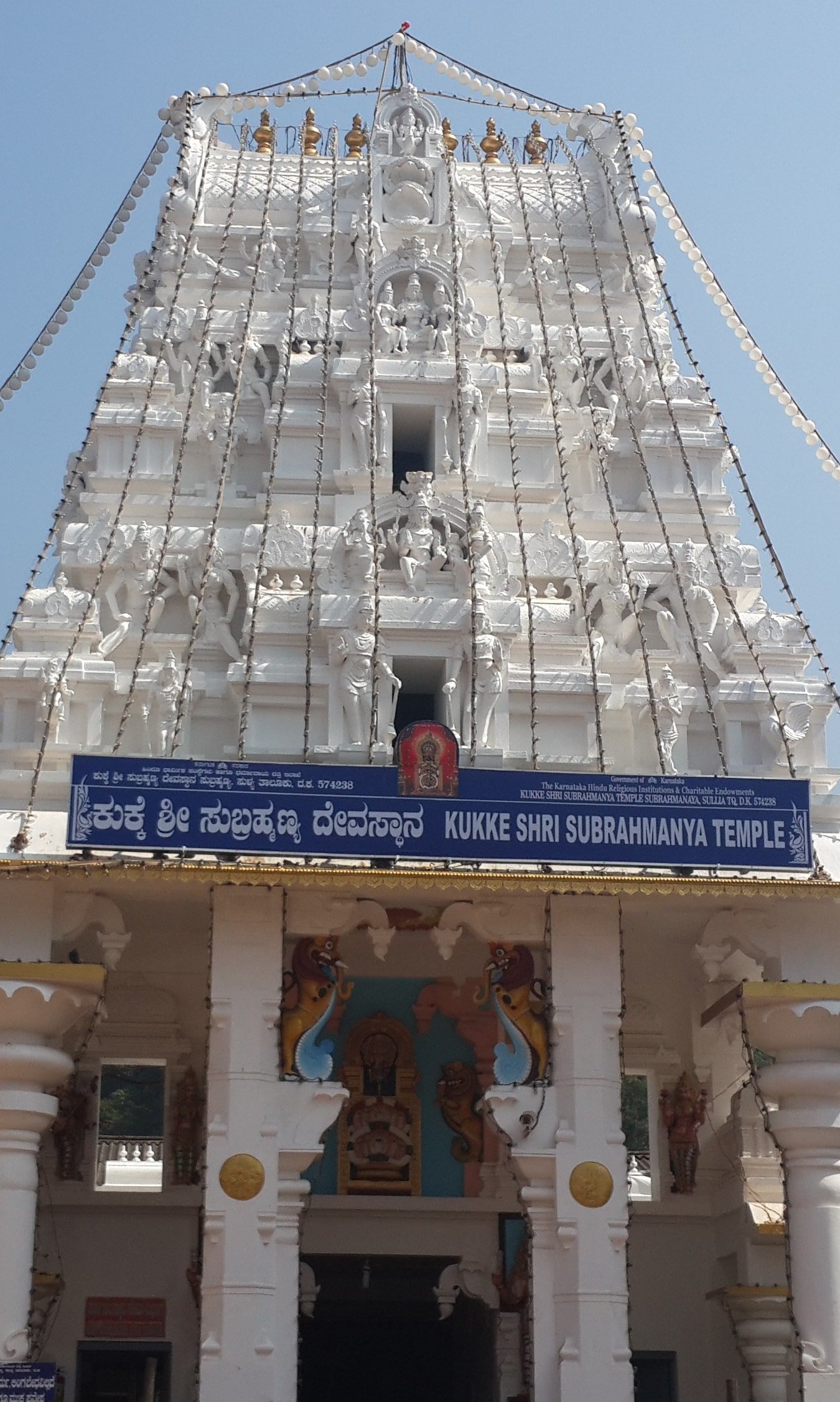
The rich history of Kukke Subrahmanya Temple is woven into the very fabric of South Indian spirituality and mythology. Originally believed to have been established over a thousand years ago, the temple’s origins are linked to many legends that highlight its divine importance. One prominent myth recounts the story of Lord Subrahmanya (Kartikeya), the son of Lord Shiva and Goddess Parvati, who is believed to have vanquished demons to restore peace and righteousness. This divine victory imbued the temple with a sense of purpose and sanctity that has persisted through centuries.
Over time, Kukke Subrahmanya has become a pilgrimage epicenter, especially for devotees seeking protection from serpents and ailments. Its significance is also rooted in its association with healing rituals and rituals dedicated to snake gods, making it a unique spiritual destination. The temple has witnessed an amalgamation of religious practices, royal patronage, and community involvement, cementing its role as a symbol of faith and cultural continuity. The convergence of mythology, history, and devotion makes discovering Kukke Subrahmanya a profound experience that connects one with India’s deep spiritual heritage.
Exploring the Architectural Marvels of Kukke Subrahmanya

The architecture of Kukke Subrahmanya Temple exemplifies traditional South Indian temple design, blending artistry, spirituality, and craftsmanship into a harmonious whole. The temple’s gopurams (gateway towers) are adorned with intricate carvings depicting deities, mythical creatures, and floral motifs, showcasing the sculptural prowess and divine symbolism that characterize Dravidian architecture. These towering structures serve not only as entrance points but as visual narratives that beckon devotees deeper into the sacred space.
Within the temple complex, one finds a series of sanctums, each dedicated to different deities and deified forms associated with Lord Subrahmanya. The main sanctum houses the idol of Subrahmanya in a distinctive posture, surrounded by intricately decorated pillars and motifs. The craftsmanship extends to the granite stone carvings, painted murals, and ornate wooden doors that reflect the artistic excellence of the artisans over centuries. The layout of the temple reflects ancient design principles aimed at aligning with cosmic forces, creating an environment where spiritual energy is palpable. Exploring its architectural marvels offers insight into the synthesis of religious symbolism, artistic expression, and cultural identity that Kukke Subrahmanya embodies.
Rituals and Traditions: A Deep Dive into Kukke Subrahmanya’s Practices
The rituals and traditions practiced at Kukke Subrahmanya are deeply rooted in Indian spiritual beliefs and serve as vital expressions of faith and devotion. Daily ceremonies commence with elaborate pujas conducted by learned priests, who invoke divine blessings through offerings of flowers, sweets, and sacred incense. These rituals are performed with meticulous precision, reflecting generations of tradition designed to please the deities and purify the devotee’s soul.
A unique aspect of Kukke Subrahmanya’s spiritual practices includes annual festivals and special pujas that draw enormous crowds. Among these, the sarpa samskara and Ashlesha Bali rituals are especially significant. Devotees seek these ceremonies to rid themselves of evil serpent influences, karmic debts, or health issues. The rituals often involve the offering of symbolic items such as milk, honey, and sacred herbs to snake idols, reaffirming the temple’s role in serpent worship and healing. Participating in or witnessing these centuries-old traditions provides a profound connection with Indian spiritual heritage while emphasizing compassion, healing, and community harmony.
Sarpa Samskara and Ashlesha Bali: Understanding Key Rituals at Kukke Subrahmanya
The Sarpa Samskara and Ashlesha Bali rituals are some of the most revered and sought-after practices at Kukke Subrahmanya. These ceremonies are carried out to appease the native snake gods and alleviate the influence of harmful serpent energies believed to cause ailments, misfortune, or ancestral issues. The rituals typically involve offerings and sacred rites performed by trained priests, who chant specific mantras to invoke divine intervention for the devotee’s benefit.
What makes these rituals particularly compelling is their blend of spiritual symbolism and communal faith. Devotees often undertake these ceremonies after consultations with spiritual guides, viewing them as vital steps toward liberation from karmic debts or misfortunes. The rituals serve as a bridge between human life and divine grace, reinforcing the notion that faith, accompanied by sincere intent and communal participation, can lead to healing and spiritual growth. Experiencing these key practices at Kukke Subrahmanya reveals the profound belief system woven into Indian tradition and illustrates the temple’s enduring role as a sanctuary for divine intervention and redemption.
Planning Your Visit: Travel Guide to Kukke Subrahmanya Temple
Embarking on a journey to Kukke Subrahmanya involves careful planning to optimize the spiritual experience and logistical comfort. Located in the scenic Western Ghats of Karnataka, the temple is accessible via well-connected routes from major cities like Bangalore and Mangalore. The best time to visit is during the temple’s festival seasons or monsoon months when the surrounding landscape is lush and the spiritual atmosphere is vibrant. It’s advisable to plan your trip at least a few weeks in advance, especially if aiming for participation in major festivals or rituals.
Accommodation options near Kukke Subrahmanya range from simple dharmashalas (pilgrim rest houses) to more comfortable hotels, catering to diverse budgets. When visiting, remember to dress modestly and carry necessary offerings for the rituals. The temple can become crowded during auspicious days, so arriving early can help avoid long queues and provide a more intimate experience. Local guides and temple authorities provide comprehensive assistance, ensuring that pilgrims and tourists alike can navigate the site with respect and understanding. Preparing for your visit with knowledge about the rituals and customs enhances the spiritual connection and allows for a more fulfilling pilgrimage experience.
Kukke Subrahmanya: Impact on Local Economy and Community
The presence of Kukke Subrahmanya Temple significantly influences the socio-economic fabric of the surrounding region. As a major pilgrimage destination, it attracts hundreds of thousands of devotees annually, generating substantial revenue through offerings, donations, and tourism-related activities. Small businesses such as shops selling religious artifacts, local eateries, transportation services, and accommodation providers thrive due to the steady influx of visitors, creating employment opportunities and supporting the local economy.
Beyond economic benefits, the temple also plays a pivotal role in preserving and promoting local culture and traditions. Festivals, rituals, and folklore associated with Kukke Subrahmanya serve as vital cultural expressions that foster community identity and cohesion. The temple’s influence extends into social welfare initiatives, including educational programs, healthcare services, and community development projects. Its spiritual significance thus transcends religious boundaries, fostering a sense of collective pride and resilience among local residents. In essence, Kukke Subrahmanya acts as both a spiritual sanctuary and a catalyst for sustainable development, exemplifying the positive impact of faith-based institutions on local communities.
Conclusion
Kukke Subrahmanya Temple embodies a harmonious blend of spiritual devotion, architectural grandeur, cultural richness, and community resilience. Its storied history, elaborate rituals, and divine significance attract pilgrims and tourists seeking solace, healing, and spiritual growth. Whether exploring its mythical origins, marveling at its artistry, participating in sacred rituals like Sarpa Samskara and Ashlesha Bali, or simply experiencing the tranquil environment, visitors are welcomed into a world where faith and tradition are deeply intertwined. The temple’s influence extends beyond spiritual realms, impacting local economies and fostering cultural preservation, making it an enduring symbol of India’s divine heritage. A visit to Kukke Subrahmanya is not merely a pilgrimage but a journey into the heart of India’s spiritual and cultural legacy.
Contact for Booking
Udupi Tours And Travels
Shri Ramadhama Building, Maruthi Veethika, Udupi, Karnataka 576101
Email: udupitaxi83@gmai.com
Website: https://udupi.taxi/
Services: https://udupi.taxi/services/