The Horanadu Annapoorneshwari Temple stands as a shining beacon of spiritual devotion in South India, revered for its divine presence and the serene atmosphere it offers. Nestled amidst lush greenery and commanded by the majestic Western Ghats, this temple attracts thousands of pilgrims and spiritual seekers alike. Its significance goes beyond mere architecture; it is a living testament to faith, tradition, and the cultural heritage of Karnataka. Visitors often find themselves enveloped in an aura of devotion, experiencing the goddess’s divine grace that promises nourishment—not just of the body but also of the soul.
In this comprehensive overview, we will explore the rich history, intricate architecture, vibrant rituals, and cultural importance of the Horanadu Annapoorneshwari Temple. Embark on a spiritual journey to understand how this sacred site remains a vital pillar of faith and community, inspiring countless lives through its timeless traditions and divine blessings.
Horanadu Annapoorneshwari Temple: A Comprehensive Overview
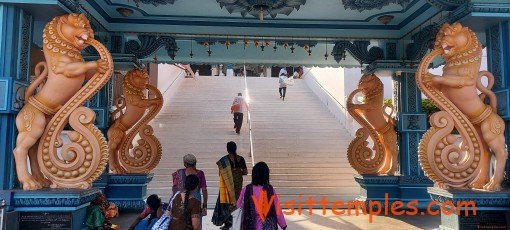
The Horanadu Annapoorneshwari Temple is primarily celebrated as a divine sanctuary dedicated to Goddess Annapoorneshwari, the goddess of nourishment and abundance. Situated in the picturesque village of Horanadu, Karnataka, the temple is not just a place of worship but also a center that upholds centuries-old traditions, fostering communal harmony and spiritual sustenance. The temple complex spans serene gardens, sacred ponds, and vibrant prayer halls, creating a tranquil environment perfect for introspection and devotion.
Many visitors describe their pilgrimage to Horanadu as an awakening of inner peace and renewal. The temple’s calm ambiance, coupled with its warm community atmosphere, makes it a unique spiritual hub. The devotion shown by pilgrims and priests alike showcases the deep-rooted belief that Goddess Annapoorneshwari bestows her divine grace upon her devotees through rituals, offerings, and heartfelt prayers. As a symbol of generosity and divine nourishment, the temple also emphasizes social service, feeding thousands of devotees daily as a manifestation of the goddess’s benevolence.
The History and Mythology of Goddess Annapoorneshwari in Horanadu

The origins of Goddess Annapoorneshwari are intertwined with myths that emphasize her role as the divine provider of food and sustenance. According to legend, the goddess appeared on earth during an era of scarcity and hardship, offering her bounty to alleviate suffering and restore balance. The story goes that the goddess manifested in Horanadu in the form of Annapoorneshwari, symbolizing the spiritual significance of nourishment as a divine act that sustains both body and soul.
Historically, the temple is believed to have been constructed centuries ago, with its roots deeply embedded in South Indian spiritual tradition. It is said that a sage, drawn by divine visions, established the sacred shrine to honor Goddess Annapoorneshwari. Over time, the temple grew in prominence, attracting devotees from across India and beyond. This mythological backdrop reinforces the universal message that divine nourishment is fundamental to human life and that Goddess Annapoorneshwari embodies compassion, charity, and the divine act of giving, inspiring believers to lead generous and virtuous lives.
Architecture and Significance of the Horanadu Annapoorneshwari Temple Structure
Architecturally, the Horanadu Annapoorneshwari Temple reflects traditional South Indian temple design, with intricate carvings, gopurams (gateway towers), and ornate pillars representing a convergence of spiritual symbolism and artistic mastery. The temple’s design harmonizes with the surrounding natural landscape, creating an immersive experience that draws visitors into a sacred space of reverence and tranquility. The sanctum sanctorum (garbhagriha) houses the majestic 3-foot tall idol of Goddess Annapoorneshwari, adorned with rich jewelry and vibrant costumes, radiating divine energy.
What makes this temple structure particularly significant is its symbolism and the craftsmanship that embodies rich spiritual narratives. The Vimana (tower above the sanctum) and the intricate sculptures depict stories from Hindu mythology, emphasizing themes of nourishment, mercy, and abundance. The architecture not only serves aesthetic purposes but also functions as a spiritual tool, guiding devotees through a journey of devotion and enlightenment. The temple’s design highlights the Indian tradition of integrating divine symbolism into architecture, inspiring believers to reflect on the deeper truths of life, sustenance, and universal compassion.
Rituals and Festivals: Experiencing the Divine at Horanadu
The rituals performed at Horanadu Annapoorneshwari Temple are deeply rooted in tradition, with daily pujas and offerings creating a tapestry of devotional activities. The poojas, typically performed at dawn, noon, and evening, involve recitations of sacred mantras, the lighting of lamps, and the offering of traditional foods, symbolizing gratitude and seeking divine blessings. Visitors are often moved by the heartfelt prayers and the temple’s serene atmosphere, feeling a strong sense of divine presence that rejuvenates their spirits.
Festivals are a prominent part of the temple’s cultural calendar, with the most celebrated being the Annapoorneshwari Jayanti, which commemorates the goddess’s divine unveiling. During this auspicious occasion, special rituals, processions, and cultural performances take place, attracting devotees from afar. The temple also hosts other festivals like Navaratri, during which elaborate ceremonies, music, and dance commemorate the goddess’s divine qualities. These festivals provide a platform for community bonding, cultural expression, and spiritual renewal, allowing devotees to experience the goddess’s divine grace in a vibrant, celebratory atmosphere.
Planning Your Pilgrimage: Travel Guide to Horanadu Annapoorneshwari Temple
To truly experience the spiritual essence of Horanadu Annapoorneshwari Temple, proper planning is essential. Located approximately 100 kilometers from Karnataka’s major city, Chikmagalur, the journey is both scenic and spiritually enriching. Visitors often travel by road, with well-maintained routes leading directly to the temple, offering breathtaking views of the Western Ghats and lush forests that immerse pilgrims in nature’s tranquility. It’s recommended to visit during festivals or early mornings when the temple is less crowded for a more intimate experience.
Accommodation options nearby range from modest guesthouses to comfortable hotels, many of which offer traditional South Indian hospitality. It’s advisable to carry essentials like comfortable footwear, prayer items, and appropriate attire respecting the temple’s customs. The temple’s kitchen—the Annadana Mandapa—serves free vegetarian meals to devotees, emphasizing the goddess’s divine act of charity and nourishment. Visitors should plan to spend at least a day in Horanadu, soaking in the peaceful environment, participating in rituals, and absorbing the spiritual energy that pervades this sacred site.
Horanadu and its Impact: Community, Culture, and Conservation
Horanadu is much more than a temple; it is a hub of cultural preservation, community service, and environmental conservation. The temple actively promotes programs aimed at supporting local artisans, fostering traditional crafts, and preserving the region’s natural beauty. Its charitable activities, including free feeding programs and literacy initiatives, exemplify how religious institutions can influence social development positively, extending the goddess’s message of nourishment to those in need.
The temple’s influence resonates throughout the local community, nurturing a sense of shared identity grounded in spiritual and cultural values. Traditional festivals, dance forms, and rituals continue to thrive here, attracting cultural enthusiasts and preserving age-old art forms. Environmental conservation efforts, such as maintaining the natural surroundings and promoting eco-friendly practices during festivals, highlight the temple’s commitment to sustainability. This harmonious relationship between the divine, community, and environment underscores how Horanadu remains a model of integrated spiritual and cultural living, inspiring future generations to uphold its legacy.
Conclusion
The Horanadu Annapoorneshwari Temple serves as a divine sanctuary that embodies the eternal values of nourishment, compassion, and spiritual devotion. Its rich history, awe-inspiring architecture, vibrant rituals, and active community participation make it a vital cultural and spiritual center, not just in Karnataka but in India as a whole. Visiting this sacred site offers an opportunity for profound spiritual renewal amid natural beauty, fostering a deep connection with divine grace that nourishes both body and mind. Whether you seek peace, divine blessings, or cultural insight, the Horanadu Annapoorneshwari Temple promises an unforgettable spiritual experience rooted in tradition, faith, and civic harmony.
Contact for Booking
Udupi Tours And Travels
Shri Ramadhama Building, Maruthi Veethika, Udupi, Karnataka 576101
Email: udupitaxi83@gmai.com
Website: https://udupi.taxi/
Services: https://udupi.taxi/services/