The Dharmastala Manjunatha Temple stands as a beacon of spiritual devotion, cultural heritage, and altruistic service—a sacred site that attracts millions of pilgrims and visitors from all over the world. Nestled amidst the picturesque landscapes of Karnataka, this revered temple is more than just an architectural marvel; it embodies centuries of tradition, justice, and social harmony. Exploring the depths of its history, its commitment to charity, and its intricate artistry offers a unique window into India’s spiritual and cultural fabric. Join us as we dive into every facet of this divine sanctuary, uncovering its significance and what makes it a truly exceptional place of worship.
A Comprehensive Guide to Dharmastala Manjunatha Temple
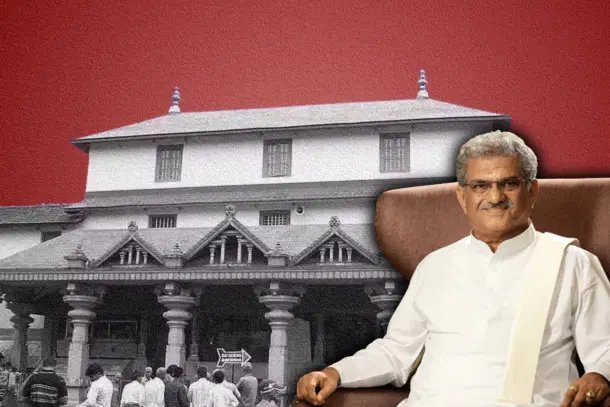
The Dharmastala Manjunatha Temple is renowned as a grand spiritual haven dedicated to Lord Shiva, specifically worshiped here as Lord Manjunatha. Situated in the scenic Kodagu district of Karnataka, the shrine seamlessly combines spiritual fervor with cultural vibrancy. For centuries, it has served as a pilgrimage destination for devotees seeking divine blessings and moral guidance. Its comprehensive approach to spiritual fostering extends beyond ritualistic worship, embodying principles of charity, justice, and community service, which form the core of its identity. Whether one’s purpose is spiritual enlightenment or cultural exploration, the temple offers an immersive, transformative experience that resonates deeply with visitors.
This site is also distinguished by its inclusive ethos—welcoming people of all backgrounds, castes, and ages to partake in its sacred atmosphere. It features a unique tradition of handling community needs through charitable efforts, educational programs, and social upliftment initiatives, making it an institution rooted in service and compassion. As a comprehensive spiritual complex, Dharmastala Manjunatha Temple combines religious fervor, historical significance, and social responsibility into a multidimensional experience that continues to inspire millions across generations.
The History and Significance of Dharmastala Temple
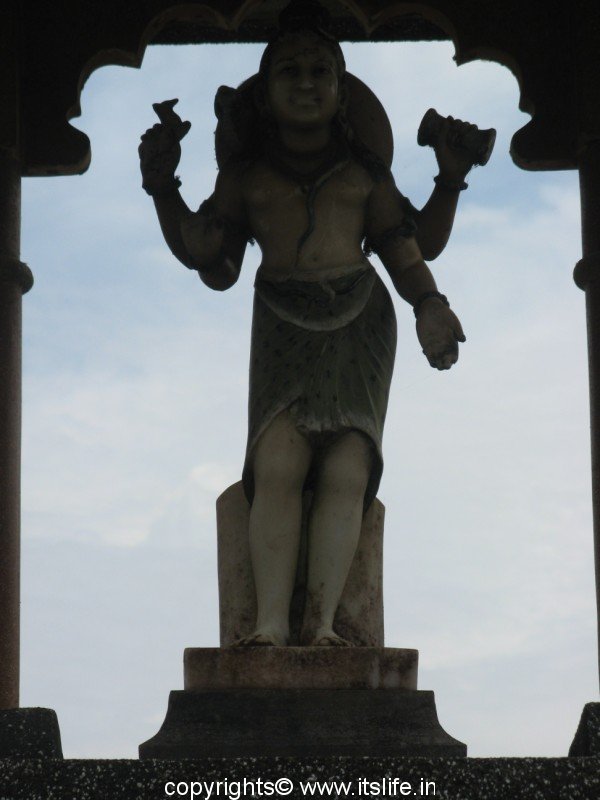
The history of Dharmastala Manjunatha Temple is steeped in legends that speak to divine intervention and moral justice. Tradition holds that the original idol of Lord Manjunatha was discovered by the local king Gangaraja in the 4th century, beneath a banyan tree, symbolizing divine sanction and spiritual awakening. Over the centuries, the temple evolved from a humble shrine into a grand architectural complex, owing much of its development to royal patronage and the dedication of countless devotees. Its historical significance is intertwined with tales of justice, where the temple is revered not only as a place of worship but also as a hub of ethical governance, influencing societal values through its cultural narratives.
More profoundly, Dharmastala’s importance extends to its role in promoting moral integrity and justice. The temple’s administration is uniquely dedicated to the welfare of all, emphasizing non-discrimination, fairness, and social harmony. Its longstanding tradition of charitable work, including providing free education, healthcare, and food to the needy, embodies the timeless value of “dharma”—righteousness. The temple’s history, therefore, is not only a chronicle of religious evolution but also an inspiring saga of social justice, where spiritual virtues are intertwined with practical acts of service that uplift the community at large.
Dharmastala’s Unique Tradition of Charity and Service
One of the most remarkable features of Dharmastala Manjunatha Temple is its unwavering commitment to charity and social service. Unlike conventional temples that focus solely on ritual worship and pilgrimages, Dharmastala has embedded philanthropy as its fundamental philosophy. It operates two major trust funds—one for spiritual welfare and another explicitly dedicated to charitable activities—thus ensuring that the temple’s influence extends well beyond the spiritual realm into tangible societal benefits. This tradition of service is deeply rooted in the belief that true worship involves compassion and selfless service to humanity.
What distinguishes Dharmastala is its inclusive approach toward service, where no caste, creed, or economic status is a barrier to receiving aid. Its initiatives include free medical clinics, education scholarships, and meal programs for the underprivileged. Every contribution received from devotees is used transparently to further social causes, embodying the core principle of “jo bhi de, dharmo se de” (whatever you give, give with righteousness). This model of charity has inspired countless other religious institutions to adopt similar practices, reinforcing the idea that faith must translate into action to bring about societal transformation. The temple’s dedication to charity exemplifies how spiritual principles can evolve into impactful social missions, fostering community resilience and harmony.
Exploring the Architecture and Art of Dharmastala Manjunatha Temple
The architecture of Dharmastala Manjunatha Temple reflects a harmonious blend of South Indian temple design and unique local craftsmanship. Its majestic gopurams (gateway towers), intricate carvings, and sprawling courtyards evoke a sense of divine grandeur. Each element of its construction narrates stories from Hindu mythology, depicted through exquisite sculptures that have been meticulously preserved over centuries. The artistic detail and craftsmanship display a sophisticated understanding of traditional temple architecture while illustrating the cultural narratives that underpin Hindu spirituality.
Apart from the physical structure, the artistic embellishments—ranging from detailed stone carvings to vibrant murals—serve as visual scriptures that educate devotees about spiritual virtues and mythological histories. The temple also houses various smaller shrines dedicated to other deities, each decorated with unique motifs and symbolic artwork that enhance the spiritual atmosphere. This visual feast not only elevates the aesthetic appeal but also acts as an educational journey for visitors, fostering appreciation for artistic heritage rooted in religious tradition. The artistry of Dharmastala celebrates India’s rich sculptural legacy, inviting worshippers to engage with its divine stories through an immersive sensory experience.
Visiting Dharmastala: A Spiritual Journey and Practical Guide
Embarking on a pilgrimage to Dharmastala Manjunatha Temple is both a spiritual journey and a cultural expedition. Located at an accessible distance from major cities like Mangalore and Bangalore, the temple sees thousands of visitors annually, many of whom undertake months of preparation. It’s advisable to plan your visit during auspicious dates and seasons, when festive celebrations and special rituals enhance the spiritual ambiance. Accommodations range from simple lodges to more comfortable guesthouses operated by the temple trust, ensuring visitors can stay comfortably while fully immersing in the spiritual experience.
Practical tips for visitors include understanding the temple’s daily timetable of rituals, which involve early morning and evening pujas, and respecting local customs and traditions. Efficient crowd management and the focus on hygiene are priorities during peak seasons, ensuring a safe and comfortable pilgrimage. Engaging with the temple’s charitable activities or participating in community service can also enrich your visit, creating a more meaningful connection to the temple’s mission of service. Above all, approaching Dharmastala with an open heart and sincere reverence transforms the trip into an enlightening spiritual voyage—one that resonates long after your departure.
Dharmastala Manjunatha Temple: A Center for Justice and Harmony
Beyond its religious and cultural facets, Dharmastala Manjunatha Temple stands as a paradigm of social justice and communal harmony. Its administration embodies transparency, fairness, and the promotion of ethical values—principles that align closely with the ideal of “dharma.” The temple has historically been a refuge for those seeking justice, offering a platform for moral discourse and conflict resolution within the community. Its commitment to social equity and harmony is visible in its inclusive approach, reaching out to marginalized groups and encouraging social cohesion through community programs and cooperative initiatives.
Furthermore, Dharmastala functions as a spiritual hub that fosters dialogue among diverse communities, cultivating an environment of mutual respect and understanding. Its emphasis on justice—both spiritual and social—positions it not just as a place of worship but as a catalyst for societal progress. The temple’s ongoing efforts to uplift the marginalized, uphold moral virtues, and promote peace underscore its significance as an enduring symbol of harmony in a diverse society. This holistic approach ensures that Dharmastala remains a sanctuary where faith and social responsibility intertwine, inspiring sustainable community development rooted in spiritual values.
Conclusion
The Dharmastala Manjunatha Temple is truly a timeless sanctuary that embodies the harmony of faith, history, service, and social justice. Its rich history and legend as a place of divine justice inspire millions to seek spiritual renewal and moral integrity. The temple’s unwavering dedication to charity and its inclusive ethos highlight the importance of embodying compassion in everyday life. Its breathtaking architecture and artistic grandeur reflect a deep cultural heritage that educates and inspires. Navigating a visit to Dharmastala offers not just spiritual fulfillment but a profound appreciation for India’s diverse and compassionate ethos—an experience that connects faith with action, tradition with progress, and community with harmony. As a revered center for spiritual and social upliftment, Dharmastala Manjunatha Temple continues to be a shining beacon of hope, justice, and enduring faith across generations.
Contact for Booking
Udupi Tours And Travels
Shri Ramadhama Building, Maruthi Veethika, Udupi, Karnataka 576101
Email: udupitaxi83@gmai.com
Website: https://udupi.taxi/
Services: https://udupi.taxi/services/