Mangalore Airport stands as a vital gateway connecting the scenic coastal city of Mangalore to the rest of India and beyond. As a bustling hub that seamlessly blends modern infrastructure with regional charm, the airport plays a pivotal role in fostering tourism, commerce, and cultural exchange. Over the years, Mangalore Airport has evolved to meet increasing demands, embracing technological advancements and passenger-centric services that redefine the travel experience.
In this comprehensive exploration, we delve into the architecture and operational excellence of Mangalore Airport, analyze the passenger experience it offers, examine its connectivity options, scrutinize its safety measures, appreciate its economic impact, and look towards future expansion plans that promise to elevate it to new heights.
Mangalore Airport: An Overview of Infrastructure and Operations

Mangalore Airport boasts a well-designed terminal that balances efficiency with regional aesthetic appeal. The passenger terminal, recently expanded, features modern architecture that incorporates sustainable design principles, such as natural lighting and energy-efficient systems. The aerodynamic layout ensures smooth flow of passengers, reducing congestion during peak hours and simplifying navigation for first-time visitors, which significantly enhances the overall experience.
Operationally, the airport is equipped with advanced air traffic management systems that ensure safe, punctual flights. The apron facilities are substantial enough to handle a mix of domestic and regional flights, and there have been ongoing upgrades to accommodate larger aircraft. The runway, stretching over 2,750 meters, can support both narrow-body and wide-body aircraft, allowing for expanded international connectivity in the future. Ground handling services, baggage operations, and maintenance work adhere to stringent safety standards, demonstrating a commitment to seamless and secure operations.
The airport’s management strives to balance capacity with efficiency, implementing technological innovations such as automated check-ins, real-time flight information displays, and integrated security systems. These enhancements reduce turnaround times, boost airlines’ operational flexibility, and ultimately lead to a better experience for every traveler passing through Mangalore Airport.
Passenger Experience at Mangalore Airport: Services and Amenities
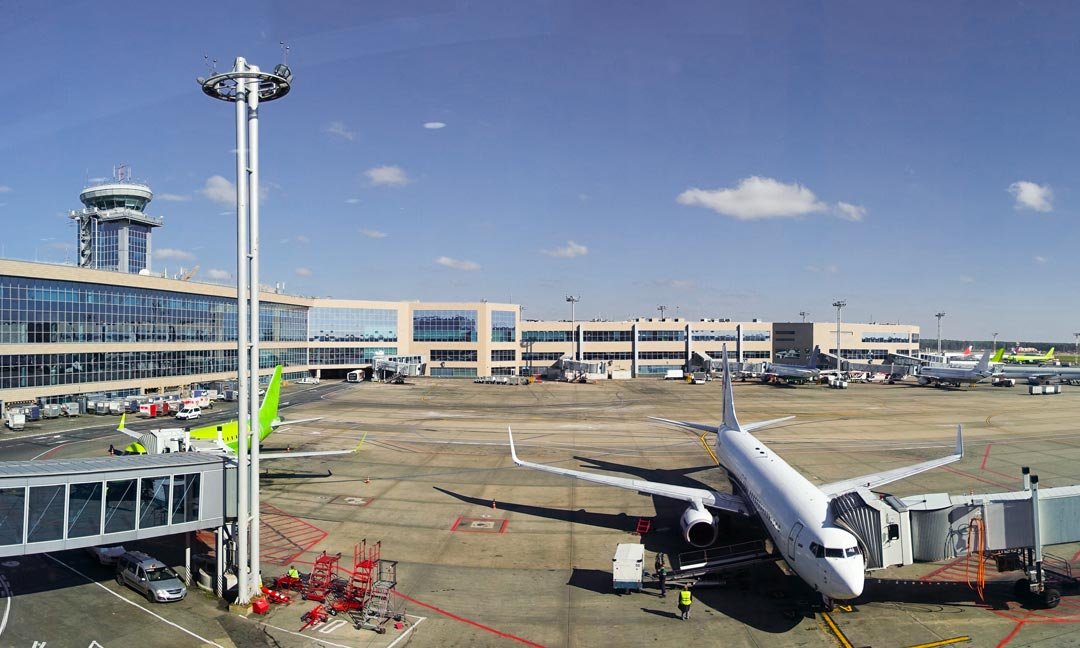
Traveling through Mangalore Airport offers more than just functional convenience; it provides a thoughtful mix of amenities meticulously crafted to elevate the passenger journey. The terminal features spacious lounges, clean restrooms, and comfortable seating areas that cater to travelers with varied needs. For families and solo travelers alike, dedicated zones for children, prayer rooms, and wellness spaces add a layer of comfort and cultural consideration.
Food and retail concessions at the airport are curated to reflect local flavors and international standards, allowing travelers to indulge in regional cuisine or luxury shopping before their flight. High-speed Wi-Fi connectivity and charging stations are ubiquitously available, recognizing the importance of staying connected in today’s digital age. Moreover, customer support services, including baggage assistance and information counters, are strategically positioned to assist passengers promptly.
What truly sets Mangalore Airport apart is its focus on sustainability and environment-friendly initiatives. From solar panels on the rooftops to waste recycling programs, the airport demonstrates a commitment to eco-conscious operations. These efforts not only enhance the passenger experience but also reflect a broader social responsibility towards the community and environment. By maintaining high standards of service, Mangalore Airport continues to foster goodwill and loyalty among travelers, turning passengers into ambassadors of regional growth.
Connectivity and Accessibility: Navigating To and From Mangalore Airport
Reaching Mangalore Airport is a seamless experience thanks to its strategic location and well-developed transportation links. Situated approximately 15 km from the city center, the airport is accessible via a network of well-maintained roads, including the NH66 highway, which connects it with major urban hubs. The availability of taxi services, ride-sharing options, and private car rentals provides travelers with flexible and comfortable transit options, especially during early morning or late-night flights.
Public transportation options have seen significant enhancements, with regular bus services operated by Mangalore Urban Transport Corporation (MUTC), ensuring affordable options for daily commuters and tourists alike. The upcoming development of dedicated shuttle services and express bus routes aiming directly at the airport promises even faster access, reducing travel time and congestion in the city traffic. For travelers arriving from distant parts of India or international destinations, nearby rail and road networks facilitate efficient multi-modal connectivity to Mangalore’s airport.
Accessibility is also a key focus at Mangalore Airport, with ample parking facilities, including designated zones for differently-abled passengers, and pedestrian-friendly pathways designed to ease movement. The airport’s investment in navigational aids, signage, and information kiosks further streamlines the experience, making it convenient for travelers unfamiliar with the region. As Mangalore continues to grow economically and socially, the airport’s connectivity infrastructure continues to evolve with the goal of becoming an accessible, inclusive, and integrated hub for all travelers.
Safety and Security Measures Implemented at Mangalore Airport
Ensuring safety and security is at the core of Mangalore Airport’s operational philosophy. The deployment of cutting-edge screening technology, such as CT scanners and biometric verification systems, ensures thorough security checks while minimizing passenger inconvenience. The security personnel are extensively trained in handling various emergency scenarios, from fire outbreaks to medical emergencies, embodying a proactive safety culture.
The airport also maintains rigorous protocols related to COVID-19 and other health concerns, including sanitization stations, thermal screening, and social distancing measures in common areas. These practices demonstrate a commitment to passenger health and well-being amid evolving global health challenges. Fire safety measures are reinforced via regular drills, updated firefighting equipment, and clear evacuation protocols. Additionally, the airport collaborates closely with local law enforcement and emergency services to swiftly address any security threats or incidents, underscoring its dedication to creating a secure environment for all users.
Technology plays an instrumental role in maintaining safety standards—real-time surveillance, AI-based monitoring systems, and data analytics help anticipate potential risks before they materialize. Mangalore Airport’s unwavering focus on security not only safeguards lives but reassures travelers that their safety is paramount, ultimately fostering confidence in the region’s transport infrastructure and inspiring further growth.
Mangalore Airport’s Role in Regional Economic Development
Serving as a catalyst for economic growth, Mangalore Airport significantly impacts the coastal region’s development landscape. By facilitating easier access for business travelers, tourists, and investors, the airport helps boost key sectors such as tourism, manufacturing, IT, and agriculture. The presence of a modern airport encourages clusters of industries and promotes regional entrepreneurship, creating employment and entrepreneurial opportunities at all levels.
In addition, the airport acts as an enabler for Mangalore’s emerging industrial corridors, especially within the petrochemical, port, and shipping sectors. Its strategic position supports international trade, with an increase in cargo operations leading to better supply chain management for local businesses. The connectivity also attracts educational and medical tourism, further diversifying the region’s economic landscape. The airport’s role in facilitating government initiatives such as Make in India and Digital India enhances its significance as a regional growth hub.
Furthermore, the tourism industry flourishes because of convenient access to historical sites, beaches, hill stations, and spiritual centers around Mangalore. Cruise tourism and eco-tourism projects have also gained momentum, thanks to improved transport links. The sustained development of Mangalore Airport underpins the region’s aspiration to become an investment destination, elevating local standards of living and positioning Mangalore as a key player in South India’s economic narrative.
Future Development Plans and Expansion Initiatives at Mangalore Airport
Looking ahead, Mangalore Airport is poised for significant expansion aligned with the region’s growth ambitions. The current master plan involves extending the runway and expanding the terminal structures to accommodate increasing passenger traffic and larger aircraft. The idea is to transform Mangalore into an international hub featuring regular direct flights to the Middle East, Southeast Asia, and beyond, reflecting its strategic importance.
In addition, plans are underway to introduce green technology solutions such as solar farms, rainwater harvesting, and carbon mitigation measures. These initiatives will make the airport more sustainable and economically resilient, lowering operational costs while reducing environmental impact. The development of additional parking facilities, baggage handling systems, and retail zones aims to streamline passenger flow and operational efficiency.
Another key aspect of future planning involves infrastructure upgrades for seamless multimodal connectivity, including dedicated rail links, smart bus terminals, and improved road networks. These investments will support Mangalore’s integration into India’s larger transportation corridors, boosting regional development. The continued diversification of services, including cargo logistics, air ambulance operations, and technology-driven security, will cement Mangalore Airport’s status as a forward-looking regional hub prepared for the demands of tomorrow’s travel and trade landscape.
Conclusion
In conclusion, Mangalore Airport embodies a progressive approach toward modern aviation infrastructure while deeply anchoring itself in regional development and community needs. Its sophisticated infrastructure, passenger-oriented services, strategic connectivity, stringent safety measures, and burgeoning future expansion plans collectively position it as a vital gateway for regional growth and integration. As the airport continues to evolve with innovative initiatives and sustainable practices, it promises to serve not only as a transportation hub but also as a catalyst for economic prosperity, cultural exchange, and technological advancement in South India. The future of Mangalore Airport is bright, and its journey towards becoming a world-class regional airport is well underway.
Contact for Booking
Udupi Tours And Travels
Shri Ramadhama Building, Maruthi Veethika, Udupi, Karnataka 576101
Email: udupitaxi83@gmai.com
Website: https://udupi.taxi/
Services: https://udupi.taxi/services/